

A local contractor understands the heavy snow, freezing temperatures, and winter weather common throughout the Chippewa Valley. Experienced professionals can safely remove existing ice dams using steam while identifying the insulation and ventilation improvements needed to help prevent them from returning in future winters.

Ice Dam Removal
in Eau Claire, Chippewa Falls, and Menomonie
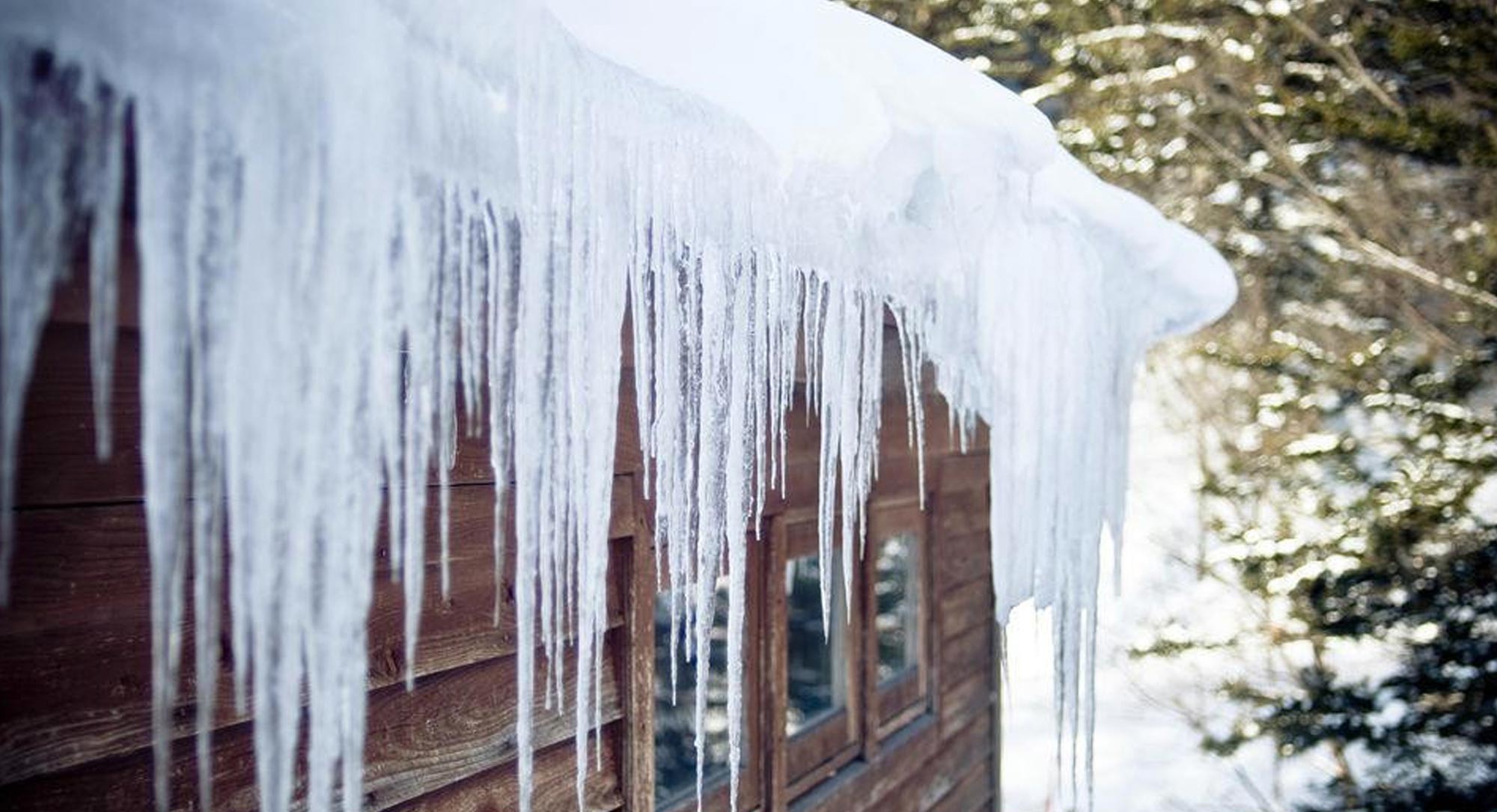
Ice dams can wreak havoc on your home and create dangerous walkways. Let Rock & Tait in Eau Claire steam them away and permanent recommend solutions.
Request an EstimateSteam ice dams away.
Although ice dams occur on the outside of your home, you see the damaging effects inside your home.
An ice dam is a ridge of ice that forms at the edge of a roof and prevents melting snow from draining off the roof. The water then has nowhere to go and backs up behind the dam, leaking into your home and potentially causing damage to walls, ceilings, insulation, gutters, and shingles. There are three main causes for ice dams:
- Insufficient Insulation — Without adequate insulation, it is difficult to regulate temperature in the attic space of your home.
- Improper Attic Ventilation — Excessive warm air in the attic can cause the snow on the roof to melt, regardless of outside temperature.
- Mother Nature — Snow must be present and the temperature must consistently be 32 degrees or colder.
Need an ice dam gone today? We can rid your home of damaging ice dams using our steaming system. It is safer for your shingles and gutters, and cuts ice removal time by half!
Contact our Eau Claire area roofing contractors todayStop Ice Dams Permanently with Proper Insulation and Attic Ventilation
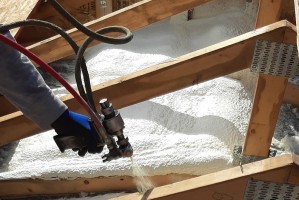
Insulate your attic with blown-in insulation. Install environmentally-friendly cellulose blown-in insulation in your home. Not only will your home be more energy efficient, it will also reduce your bill.
Get Started
Need an ice dam removed before it causes permanent damage? We can help. Then, let's talk about how to stop the ice dam from coming back.
Request an EstimateIce Dam Removal FAQ
Why choose a local Eau Claire ice dam removal contractor?
Are ice dams covered by homeowners insurance?
Insurance coverage depends on your individual policy and the cause of the damage. Many homeowners insurance policies cover interior water damage resulting from sudden ice dam formation, but they may not cover damage caused by deferred maintenance. It's best to contact your insurance provider for details about your coverage.
What damage can an ice dam cause?
Ice dams can lead to costly repairs if left untreated. Water trapped behind the dam can damage shingles, roof decking, insulation, drywall, paint, flooring, gutters, and even create conditions for mold growth inside your home.
How do I know if I have an ice dam?
Common signs of an ice dam include:
- Large icicles hanging from your gutters
- Thick ridges of ice along the roof edge
- Water stains on ceilings or walls
- Water dripping into the attic
- Peeling paint or damaged drywall near exterior walls
If you notice any of these signs, it's important to address the problem before water damage becomes more extensive.
What causes ice dams?
Ice dams are typically caused by heat escaping from your attic. The warm roof surface melts snow, which flows toward the colder roof edge where it refreezes. Poor attic insulation, inadequate ventilation, and repeated freeze-thaw cycles all contribute to ice dam formation.
What is an ice dam?
An ice dam is a ridge of ice that forms along the edge of a roof, preventing melting snow from draining properly. As water backs up behind the ice dam, it can seep beneath your shingles and into your home, causing damage to ceilings, walls, insulation, and framing.
What is the safest way to remove an ice dam?
Professional steam removal is the safest and most effective method. Low-pressure steam melts the ice without damaging shingles or gutters, unlike chisels, hammers, or pressure washers that can permanently damage your roofing system.
Should I remove an ice dam myself?
Small amounts of roof snow can often be removed safely from the ground using a roof rake. However, climbing onto an icy roof or attempting to chip away ice with tools is dangerous and can damage your roof. If an ice dam is causing leaks or has grown significantly, professional removal is the safest option.
Can better insulation help stop ice dams?
Yes. Proper attic insulation helps keep warm air inside your living space instead of escaping into the attic. Combined with adequate ventilation, insulation is one of the most effective ways to prevent recurring ice dams while improving your home's energy efficiency.
How can I prevent ice dams from forming?
The best way to prevent ice dams is to keep your roof surface at a consistent temperature. This usually involves:
- Improving attic insulation
- Sealing air leaks into the attic
- Installing proper attic ventilation
- Removing excessive snow with a roof rake after major snowfalls
Together, these improvements help reduce melting and refreezing along the roof edge.
Will removing the ice dam solve the problem permanently?
Removing the ice dam addresses the immediate issue, but it does not eliminate the cause. If your attic continues to lose heat, ice dams are likely to return during future winters. Improving attic insulation and ventilation is the most effective long-term solution.
How quickly should an ice dam be removed?
As soon as possible. Once water begins backing up under your shingles, every freeze-thaw cycle increases the risk of water intrusion and structural damage. Prompt removal helps minimize costly interior repairs.
Insulation
Replacing Your Roof is the Perfect Time to Look at Your Attic Insulation
Roof replacement is the perfect time to improve your attic insulation and air sealing. When your...

Home Remodeling
Budgeting for a Home Remodel
Learn how to budget for a home renovation without breaking the bank. Planning a home remodel,...
Roofing
Signs It's Time to Replace Your Roof
Is it time to replace your roof? Learn how to know if it's time to replace your roof and what will...

Home Remodeling
What to Consider Ahead of a Kitchen Remodel
Ensure you get a kitchen that fits your lifestyle and your budget. When you spend so much time in...