A concrete guide for Eau Claire and Chippewa Valley homeowners.
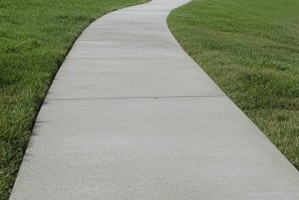
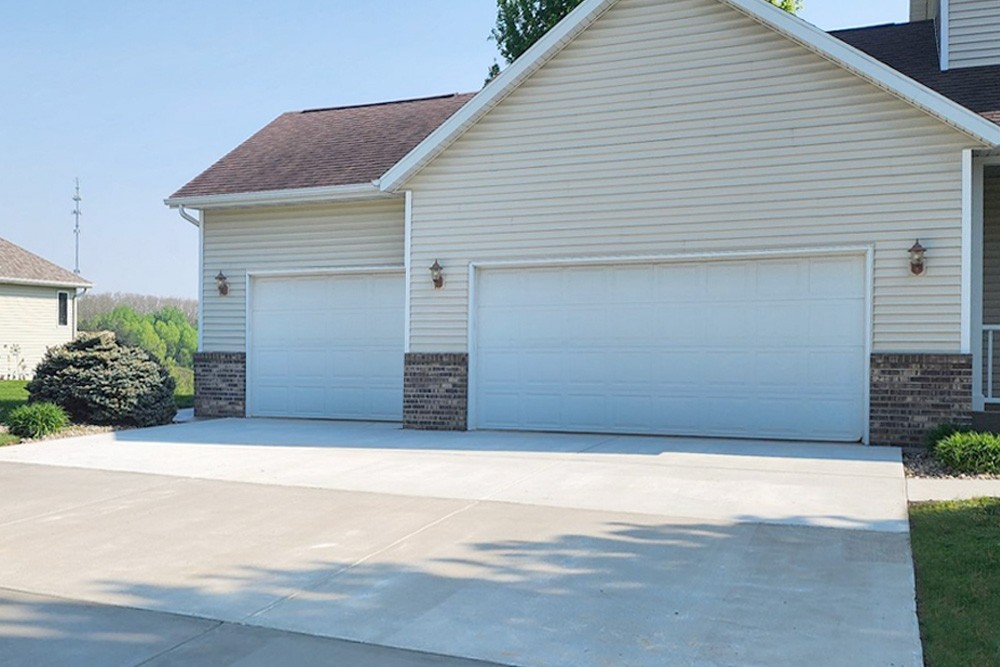
If you've been looking at an uneven sidewalk, a cracked driveway, a worn-out patio, or crumbling front steps and thinking, "we'll take care of that next year" -- you're in good company.
Concrete has a way of sliding down the list. It's not leaking. It's not broken. It's just… there. But concrete is one of the few things around a home where waiting has a real cost, and not only the cost of the repair.
At Rock & Tait, we'd rather give you the information to make a good decision than talk you into a project. So here's the honest version.
First: what a finished project actually feels like
Most concrete articles start with damage. Let's start with the other end. Imagine it's February. You've got a driveway and walk that are flat, even, and properly sloped. Snow removal is a chore, not an obstacle course. Your grandkids run to the door, and you're not thinking about that raised edge by the step. Your parents come for dinner, and you're not standing on the porch watching every footfall.
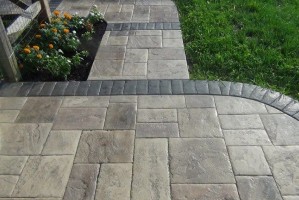
In summer, that stamped patio you finally did is where everyone ends up. Somebody's grilling. Chairs don't wobble. It's the spot your family shows up for.
That's what people are actually buying -- not cubic yards of concrete. Safety for the people they love, a place to gather them, and the quiet satisfaction of having taken care of something instead of putting it off for another year.
Why timing matters with concrete
Concrete doesn't become strong the moment it's poured. Cement reacts with water through a process called hydration, and temperature drives how fast that happens. Below roughly 40°F, hydration slows significantly. Fresh concrete also has to be protected from freezing until it's developed enough early strength. If it freezes too soon, the damage is permanent, and it can't be undone later.
The American Concrete Institute defines cold-weather conditions as periods when the average daily temperature stays below 40°F for more than three consecutive days, and its guidance emphasizes planning protection ahead of time rather than reacting to a forecast. In western Wisconsin, that window closes earlier than most homeowners expect. Cold-weather concrete work is absolutely possible with blankets, heated enclosures, mix adjustments, and extended protection. It just needs to be planned, not squeezed into the last week before the ground freezes. The earlier the conversation starts, the more options you have.
What happens if you wait
Waiting doesn't guarantee failure. It does mean an existing problem gets one more winter to work on itself.
- Uneven concrete becomes a safety issue.
A settled slab or a raised edge is a trip hazard, and the people most affected are the ones you'd least want to see fall, such as older parents, small kids, anyone with limited mobility, or anyone using a cane or walker. For homeowners planning to stay in their home long-term, this matters more each year. Safe, level access to your own front door is part of what makes staying possible. - Winter turns a nuisance into an injury risk.
Clearing snow off an uneven walk means your shovel catches on edges you can't see under the snow. That sudden stop is exactly how people twist and strain their backs - and January is a bad month to be laid up. Ice compounds it. Water pools in low or settled sections, freezes, and creates a slick spot right where people step. - Freeze-thaw cycles do real damage.
Wisconsin puts outdoor concrete through repeated freezing and thawing all winter. Water enters cracks and joints, freezes, expands roughly nine percent, and pushes the crack wider. Next thaw, more water gets in. Repeat. Deicing chemicals accelerate it, especially on newer concrete. A crack you could have addressed this fall is a bigger, more expensive crack by April. - Scheduling gets harder for everyone.
Once temperatures drop consistently, every concrete contractor in the Chippewa Valley is working shorter days with more protection requirements and a shrinking calendar. Starting the conversation early gives you the chance to actually plan the project rather than take whatever slot is left.
What most homeowners don't realize: concrete is a water management system
This is the part that gets skipped, and it's the part that costs the most when it's wrong. Every slab around your house -- driveway, walk, patio, garage apron, steps -- is directing water somewhere. Done right, it moves water away from your foundation. Done wrong, it delivers it straight to your basement wall.
We regularly find:
- Patios and walks sloped toward the house. Often the actual cause of a "mystery" wet basement.
- Slabs that have settled backward over time, reversing a slope that was originally correct.
- Concrete poured tight against siding or brick, with no gap, trapping moisture against the wall and rotting what's behind it.
- Downspouts discharging onto flatwork that carries the water right back to the foundation instead of away.
- Steps and stoops pulling away from the house, which is usually a settlement or drainage story, not a concrete story.
This is why we look at concrete as part of the whole house rather than as an isolated slab. Before we pour anything, we want to understand where water comes from, where it currently goes, and where it should go instead. Grading, downspout discharge, drain tile, sump discharge, and slab slope all have to work together. Getting the concrete right and the water wrong just gives the water a smoother path to your foundation.
Don't let winter make the decision for you.
That uneven sidewalk is manageable today. That crack looks small today. That old patio is still usable today. But water, frost and everyday use don't pause while you decide. If you're thinking about a new driveway, sidewalk, patio, steps, garage floor, or a decorative concrete project, start the conversation before weather becomes the limiting factor.
Contact Rock & Tait for an estimate today. We'll look at the whole picture - including where your water is going - and give you a straight answer about timing, options, and what makes sense for your property.
Ready to Take Care of Your Concrete?
Whether you're dealing with an uneven driveway or sidewalk, planning a new outdoor space, or considering decorative concrete, Rock & Tait can help. Explore our Concrete, Stamped + Decorative Concrete, and Sidewalk + Driveway Replacement services to learn more about your options.